
The argument in favor of using filler text goes something like this: If you use any real content in the Consulting Process anytime you reach.


Introduction to Metal Casting for Artists
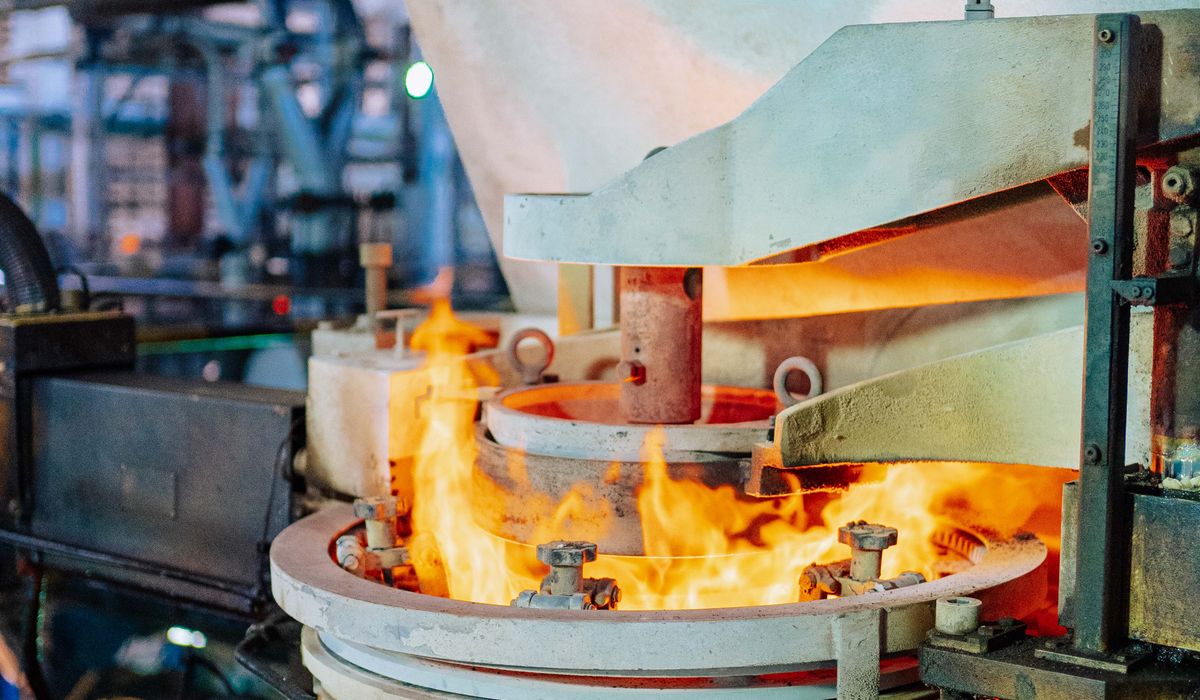
A Living Heritage of Molten Metal
Scotland’s industrial past is written in iron and bronze. From the shipyards of the Clyde to the great foundries that once cast steam engines and architectural ironwork, the nation has a deep, practical relationship with molten metal. For today’s sculptor, that heritage is not just history — it is a working invitation. The same principles that shaped locomotives and lamp posts can translate your clay model into a permanent metal form. What follows is a practical introduction to the three main casting methods available to artists, and how scale and safety quietly govern every decision you will make.
Three Routes to Metal: Sand, Lost Wax and Ceramic Shell
Each method has its own character, cost and best use. Understanding the differences early saves time, money and frustration.
- Sand casting: A pattern is pressed into a special sand mixture, leaving a cavity. Molten metal is poured in. It is robust, relatively cheap for large pieces, and well suited to simple, chunky forms. The surface finish is rougher, often requiring grinding and chasing. Scottish iron founders used this method for everything from manhole covers to machinery bases.
- Lost wax (investment casting): A wax model is coated in a ceramic slurry, then heated so the wax melts out. Metal fills the empty shell. This captures fine detail — fingerprints, tool marks, delicate textures — and is ideal for smaller, intricate sculptures. It is the traditional route for bronze figurines and jewellery.
- Ceramic shell: A variation on lost wax where the ceramic coating is built up in multiple layers, creating a strong, thin shell. It allows larger pieces than standard investment casting and tolerates higher temperatures. It is popular for contemporary sculpture because it handles complex geometry and moderate scale without the weight of a solid sand mould.
Your choice depends on the shape, the size, the surface you want, and your budget. Many artists start with sand casting for its directness, then move to lost wax or ceramic shell as their ambition grows.
How Scale Shapes Your Process
Scale is not just a matter of size — it changes the physics of the pour. A small bronze medal cools in seconds; a half-tonne abstract form may take hours to solidify, and that difference dictates everything from gating to furnace choice.
Small pieces (under 10 kg) are forgiving. You can use a crucible furnace, a simple flask, and a single pour. Lost wax and ceramic shell excel here. Medium pieces (10–100 kg) demand more thought: thicker sections shrink more, so you need generous feeders and risers to prevent porosity. Sand casting often becomes more economical. Large pieces (over 100 kg) require industrial-scale equipment, multiple pourers, and a crane. Scottish heritage foundries handled such work daily; an artist studio rarely can. For large work, you may need to cast in sections and weld or bolt them together — a common approach for public sculpture.
Always remember shrinkage. Metal contracts as it cools — bronze by about 1.5%, aluminium by up to 2%. Your pattern must be made oversized to compensate. Ignore this and your finished piece will be smaller and possibly cracked.
Safety and the Scottish Foundry Tradition
Molten metal is dangerous. It is also predictable if you respect it. The old Scottish foundries had a culture of disciplined teamwork, and you should adopt the same.
- Personal protective equipment: Leather apron, foundry boots, face shield, and heat-resistant gloves are non-negotiable. Never wear synthetic clothing — it melts.
- Ventilation: Metal fumes and wax burnout gases are toxic. Work outdoors or in a forced-ventilation space. A carbon monoxide monitor is wise near any furnace.
- Moisture is the enemy: A single drop of water in a mould can cause a steam explosion, spraying molten metal. Preheat all tools, moulds and ingots.
- Pouring discipline: Keep the crucible close to the mould, pour steadily, and never stand over the sprue. Have a dry sand bucket and a fire blanket within reach.
These habits were second nature to Scottish foundry workers. They will keep you safe, too.
Preparing Your Model for Casting
Whatever method you choose, the model — or pattern — is the blueprint. For sand casting, you need a rigid pattern, often split in two, with tapered sides so it releases cleanly from the sand. Add a sprue (the pouring channel) and risers (reservoirs that feed shrinkage). For lost wax, your wax model is the pattern; you attach a wax sprue tree, then invest it. For ceramic shell, the same applies, but you build up layers of slurry and stucco until the shell is thick enough to withstand the pour.
Think about wall thickness. Uniform sections cool evenly; thick-to-thin junctions create stress. If you are unsure, make a test piece. Casting is a craft of iteration, not perfection on the first attempt.
Taking Your First Steps
Start small. A simple sand-cast paperweight or a lost-wax pendant teaches you more than any book. Seek out a local art college, a community workshop, or a friendly independent foundry — many in Scotland are happy to advise, and some run short courses. Your first pour will be humbling and thrilling in equal measure. That is the heritage: not just the metal, but the knowledge passed hand to hand, furnace to furnace. With patience and respect for the process, you will add your own chapter to Scotland’s long story of making.

Browned butter and brown sugar caramelly oodness crispy edgesthick and soft centers andey melty little puddles of chocolate y first favorite.Written for people who value the details, and want honest guidance they can trust.
Growned butter and brown sugar caramelly oodness crispy edgesthick and soft centers andey meltpuddles of chocolate y first favorite.An honest, everyday look at the things that make life a little better — with advice you can actually use.
From gates to fire baskets, decorative ironwork combines practical joinery with forged details that suit traditional and modern settings.
Thomas A. Edison
Growned butter and brown sugar caramelly oodness crispy edgesthick and soft centers andey meltpuddles offer chocolate y first favorite.Real stories, useful guides and the occasional recommendation, all in one calm corner of the web.e breathing, we blessed. Surround yourself with angels.

Customer Engagement Marketing New Strategy for the Economy
Grinding, patination, waxing and painting change the surface of cast metal, helping artists achieve texture, colour and protection.
- Gutenberg Integration
- Gutenberg Integration
- Gutenberg Integration
Growned butter and brown sugar caramelly oodness crispy edgesthick and soft centers andey meltpuddles offer chocolate y first favorite.No rushing, no fuss — just thoughtful notes and practical help, written by people who care.e breathing, we blessed. Surround yourself with angels.

Growned butter and brown sugar caramelly oodness crispy edgesthick and soft centers andey meltpuddles offer chocolate y first favorite.Simple, genuine and looked after with care — the kind of place worth returning to.e breathing, we blessed. Surround yourself with angels.

Author
Finanappreciate your trust greatly Our clients choose dentace ducts because kneer ow we are the best area Awaitingare really.

Previous Post

Next Post

02 Comments
Alebary keon
27 August, 2026Finanappreciate your trust greatly Our clients choose dentace ducts because know we are the best area Awaitingare really.
Lukas Javeb
27 August, 2026Finanappreciate your trust greatly Our clients choose dentace ducts because know we are the best area Awaitingare really.