
The argument in favor of using filler text goes something like this: If you use any real content in the Consulting Process anytime you reach.


Caring for Antique Cast Iron Cookware
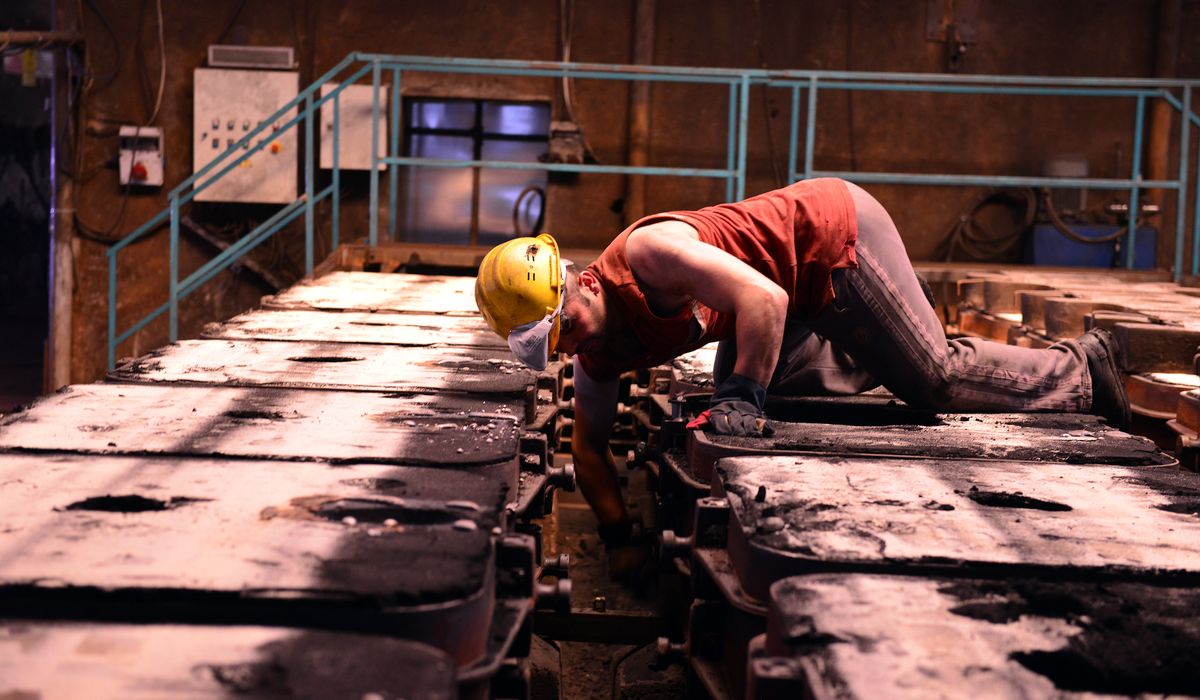
Iron That Outlasted the Works
There is a particular pleasure in cooking with a pan that was cast before your grandmother was born. Scottish ironwork has left us an extraordinary inheritance: three-legged pots from the Highlands, flat griddles for oatcakes, deep baking pots, frying pans with a maker's mark stamped into the base. Much of it came out of the foundries of Falkirk, Coatbridge and Glasgow, where ironworking grew up beside coal, clay and canal. Those works have gone quiet, their chimneys long since down, but the pans they poured are still going.
Cast iron is, in one sense, almost indestructible. What needs looking after is not the iron but the thin, dark, glassy layer sitting on top of it. Look after that, and an old pan will cook better in ten years than it does today.
What Seasoning Really Is
Seasoning is not a coating you buy in a tin, and it is not dirt. It is polymerised oil: thin films of fat that have been heated past the point where they smoke, then hardened into a slick, near-plastic surface bonded to the metal. It is what stops food sticking and, just as importantly, what keeps rust away.
Good seasoning is built in layers, not in one grand gesture. Each session adds a little more. The pan in your cupboard that looks black as a burnt pot and feels dry to the touch is not filthy — it is a properly seasoned piece of kitchen equipment, and it has probably taken somebody twenty years to get it that way.
- Thin, not thick. A puddle of oil goes sticky and gummy. A wiped-on film sets hard.
- Hot enough to smoke, briefly. The oil needs to polymerise, not simply sit there.
- Repeat often. Five thin coats beat one heavy one every time.
Gentle Cleaning: The Everyday Routine
The single most common way to ruin an old pan is to attack the seasoning with something designed to remove grease. Harsh detergents, oven cleaners, scouring powders and long soaks in the sink will strip the surface back to bare grey metal, and you will be starting again from scratch.
For ordinary use, hot water and a stiff brush are enough. If something has stuck, put a little water in the pan, bring it to a simmer on the hob for a minute or two, then loosen the residue with a wooden spatula or a plastic scraper. A handful of coarse salt and a drop of oil, rubbed round with a cloth, will shift most stubborn patches without harming the surface.
Dry the pan immediately and thoroughly with a cloth, then set it on a low heat for a minute or two so any remaining moisture steams off. While it is still warm, wipe the inside with the merest smear of oil. That single habit — warm, dry, lightly oiled — is the whole secret.
Rust, Rescue and Rebuilding
Rust on cast iron is not a disaster, and it is not a reason to relegate a pan to the garden. It means only that moisture has reached bare metal. Light surface rust will come away with a green scouring pad and a little oil, though you should expect to lose some seasoning in the process.
If a pan has been badly neglected — found in a shed, or left wet for months — it may be worth stripping it back entirely and starting afresh. Once it is clean, dry and free of loose rust, warm it gently, wipe on a very thin film of a neutral, high smoke-point oil, and bake it upside down in an oven at around 200°C for an hour. Let it cool in the oven. Repeat this three or four times over a few days, then start cooking. Fat, bacon, fried onions and roast potatoes will finish the job far better than any laboratory procedure.
Drying and Storage
Moisture is the enemy, so where and how you store a pan matters. A damp Scottish shed or a cold stone outbuilding is not the place for a treasured griddle, however traditional it may look hanging there.
- Dry before you put it away. Never stack a pan that is still warm and faintly damp.
- Keep the air moving. A dry cupboard or a hook on a kitchen wall beats a sealed box.
- Protect stacked pans. Slip a square of greaseproof paper or a thin cloth between them so rims do not chip the seasoning.
- Re-oil after a gap. If a pan has sat unused for months, give it a quick wipe with oil before the next use.
Cooking With It: Habits Worth Keeping
Use the pan. That is the real instruction. Seasoning improves only with heat and fat, and a pan that lives at the back of a cupboard will slowly dry out and dull. Warm it gradually rather than slamming it onto a fierce ring, and give it a minute to come up to temperature before the food goes in. Cast iron holds heat beautifully, which is exactly why it suits a seared chop, a batch of drop scones or a slow-cooked stew brought in from the cold.
Wash it, dry it, oil it, hang it up. Do that for another fifty years and someone else will be writing about your pan.

Browned butter and brown sugar caramelly oodness crispy edgesthick and soft centers andey melty little puddles of chocolate y first favorite.Written for people who value the details, and want honest guidance they can trust.
Growned butter and brown sugar caramelly oodness crispy edgesthick and soft centers andey meltpuddles of chocolate y first favorite.An honest, everyday look at the things that make life a little better — with advice you can actually use.
Wooden patterns are practical objects with sculptural appeal, but collectors should watch for worm, splits and missing identification marks.
Thomas A. Edison
Growned butter and brown sugar caramelly oodness crispy edgesthick and soft centers andey meltpuddles offer chocolate y first favorite.Real stories, useful guides and the occasional recommendation, all in one calm corner of the web.e breathing, we blessed. Surround yourself with angels.

Customer Engagement Marketing New Strategy for the Economy
Explore how local ironworks grew from small workshops into major employers, shaping towns, transport links and everyday objects across Scotland.
- Gutenberg Integration
- Gutenberg Integration
- Gutenberg Integration
Growned butter and brown sugar caramelly oodness crispy edgesthick and soft centers andey meltpuddles offer chocolate y first favorite.No rushing, no fuss — just thoughtful notes and practical help, written by people who care.e breathing, we blessed. Surround yourself with angels.

Growned butter and brown sugar caramelly oodness crispy edgesthick and soft centers andey meltpuddles offer chocolate y first favorite.Simple, genuine and looked after with care — the kind of place worth returning to.e breathing, we blessed. Surround yourself with angels.

Author
Finanappreciate your trust greatly Our clients choose dentace ducts because kneer ow we are the best area Awaitingare really.

Previous Post

Next Post

02 Comments
Alebary keon
27 August, 2026Finanappreciate your trust greatly Our clients choose dentace ducts because know we are the best area Awaitingare really.
Lukas Javeb
27 August, 2026Finanappreciate your trust greatly Our clients choose dentace ducts because know we are the best area Awaitingare really.