
The argument in favor of using filler text goes something like this: If you use any real content in the Consulting Process anytime you reach.


Tracing the Rise of Scottish Ironworks
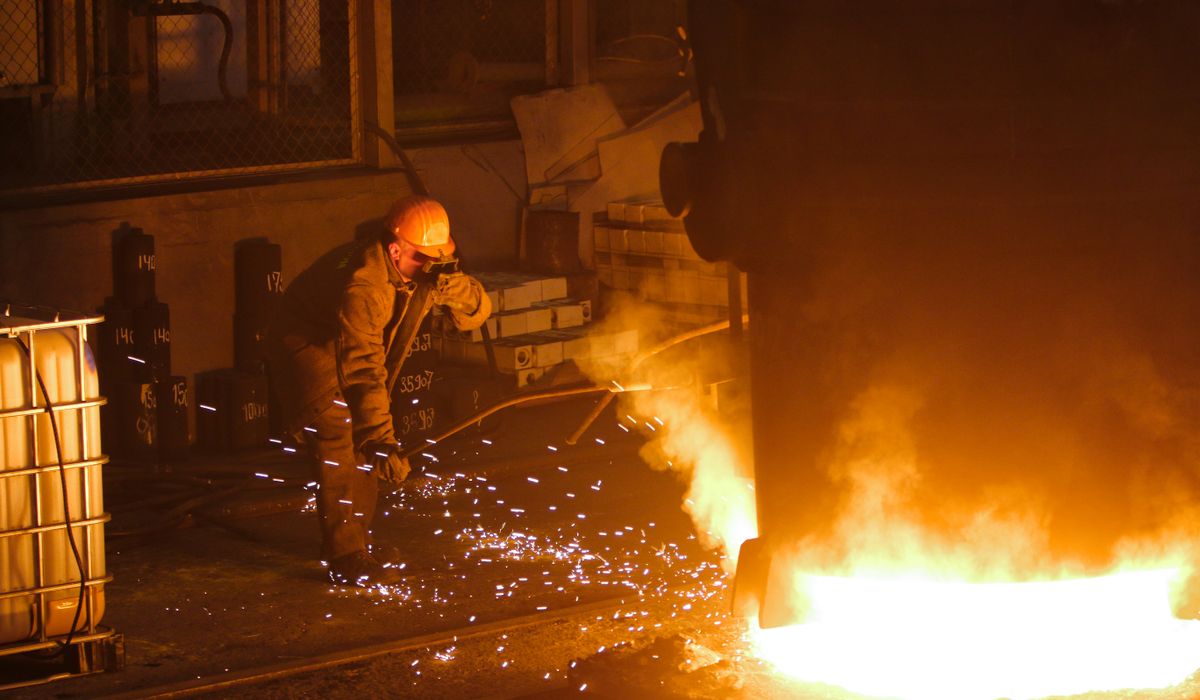
Scotland’s ironworks did not appear fully formed. They began as small, seasonal affairs, tucked into glens where wood, water and ore met. Over two centuries they grew into sprawling sites that drew labour from across the Highlands and Lowlands, redrew transport routes and left cast-iron marks on almost every town. Tracing that rise is partly a story of geology and fuel, partly of skill, and partly of the everyday objects that made the metal useful.
Small Beginnings in Wood and Ore
Early ironmaking in Scotland relied on charcoal. A bloomery was little more than a stone furnace, often on a hillside, charged with locally gathered iron ore and charcoal. A water wheel or bellows supplied the blast, and a small crew worked a campaign until the fuel ran out. The product was a spongy bloom of iron, hammered while hot to squeeze out slag. It was slow, hungry for wood, and limited in scale. Yet these sites established a pattern: ironworks followed resources, and they changed the woods and streams around them. Charcoal burners, quarriers and carters all found work. When the easily worked woodland was exhausted, the works moved on or faded.
Coal, Coke, and the Blast Furnace
The decisive shift came with coke. By the late eighteenth century, Scottish ironmasters were learning to smelt ore with coke rather than charcoal, using coal from the growing lowland coalfields. A blast furnace became the centre of the works: a tall stone stack, lined with firebrick, charged from the top with iron ore, coke and limestone. Limestone acted as a flux, helping impurities run off as slag. Blowing engines, first water-powered and later steam-driven, forced air through tuyeres near the base. The furnace ran day and night, tapped periodically so that molten iron ran into sand beds to cool as pig iron. Hot blast technology later cut fuel costs further, allowing smaller and poorer ores to be used. The industry moved decisively towards Lanarkshire, Ayrshire, Stirlingshire and Fife, where coal, ironstone and limestone lay close together.
Inside the Foundry: Patterns, Moulds, and Molten Metal
Pig iron was only the beginning. Most works had a foundry alongside the furnaces, where pig iron was remelted in a cupola and poured into moulds. The foundry floor was a place of measured skill. Patternmakers, usually joiners, shaped wooden patterns that were slightly oversized to allow for shrinkage as the metal cooled. Moulders packed sand around the pattern, withdrew it, and cut runners and risers for the molten metal. For larger hollow pieces, such as pipes or cylinders, they used loam moulding and carved cores to form the inside. After pouring, dressers and fettlers knocked off sand, cut away gates, and ground the casting smooth. Apprenticeships were long, and a good moulder could read a drawing, judge the sand, and know when a pour was ready by the colour of the metal.
Everyday Objects and Civic Confidence
Cast iron was never only about bridges and engines. It entered daily life through hundreds of ordinary objects:
- cooking pots, ranges and grates;
- baths, rainwater goods and garden rollers;
- railings, gates, lamp standards, seats, bollards and manhole covers;
- plough shares, harrows, mill gearing and pump parts;
- railway chairs, points and signal posts;
- canal lock gates, paddle gear and culverts.
This steady trade in everyday goods kept foundries busy between large contracts and gave local people a direct relationship with the metal. A works might cast a church bell one month and a batch of drain covers the next.
Company Towns and the Shape of Communities
As works grew, they shaped the towns around them. Employers built rows of cottages, sometimes with gardens or drying greens, and provided or supported schools, churches, libraries, and co-operative stores. The rhythm of the works set the rhythm of the day: the blast engine’s pulse, the shift changes, the hooter or bell. Wages were spent locally, and trades clustered nearby—bakers, drapers, publicans, doctors. Some villages were almost entirely dependent on a single furnace or foundry, which brought security in good years and hardship when orders fell. That dependence also produced strong institutions: burial societies, friendly societies, works bands, and football teams. The social fabric was as much a product of the ironworks as the castings themselves.
Reading the Industrial Legacy Today
The industry has largely gone, but its traces remain. You can still read an ironworks in the landscape. Look for red blaes, the burnt shale and ironstone spoil that colours paths and playing fields. Bings rise like rough pyramids, now often colonised by birch and gorse. Furnace stacks, foundry walls, and loading bays survive in places, sometimes reused as workshops or climbing centres. Canals that once carried coal and pig iron are now green corridors, their towpaths popular with walkers and cyclists. Railway cuttings and embankments follow routes first cut for mineral traffic. And everywhere, cast iron endures: a lamp post, a kirkyard railing, a bridge parapet, a set of steps. These ordinary survivors are the best introduction to Scottish ironworking. They remind us that the rise of the ironworks was not only about heavy industry, but about the towns, transport links, and everyday objects that made modern Scotland.

Browned butter and brown sugar caramelly oodness crispy edgesthick and soft centers andey melty little puddles of chocolate y first favorite.Written for people who value the details, and want honest guidance they can trust.
Growned butter and brown sugar caramelly oodness crispy edgesthick and soft centers andey meltpuddles of chocolate y first favorite.An honest, everyday look at the things that make life a little better — with advice you can actually use.
Early foundries relied on rivers and streams to drive bellows and hammers, setting the pattern for industrial sites across the Scottish landscape.
Thomas A. Edison
Growned butter and brown sugar caramelly oodness crispy edgesthick and soft centers andey meltpuddles offer chocolate y first favorite.Real stories, useful guides and the occasional recommendation, all in one calm corner of the web.e breathing, we blessed. Surround yourself with angels.

Customer Engagement Marketing New Strategy for the Economy
Dust, heat and noise filled the foundry floor, yet skilled workers found pride in producing iron goods for buildings, ships and railways.
- Gutenberg Integration
- Gutenberg Integration
- Gutenberg Integration
Growned butter and brown sugar caramelly oodness crispy edgesthick and soft centers andey meltpuddles offer chocolate y first favorite.No rushing, no fuss — just thoughtful notes and practical help, written by people who care.e breathing, we blessed. Surround yourself with angels.

Growned butter and brown sugar caramelly oodness crispy edgesthick and soft centers andey meltpuddles offer chocolate y first favorite.Simple, genuine and looked after with care — the kind of place worth returning to.e breathing, we blessed. Surround yourself with angels.

Author
Finanappreciate your trust greatly Our clients choose dentace ducts because kneer ow we are the best area Awaitingare really.

Previous Post

Next Post

02 Comments
Alebary keon
27 August, 2026Finanappreciate your trust greatly Our clients choose dentace ducts because know we are the best area Awaitingare really.
Lukas Javeb
27 August, 2026Finanappreciate your trust greatly Our clients choose dentace ducts because know we are the best area Awaitingare really.