
The argument in favor of using filler text goes something like this: If you use any real content in the Consulting Process anytime you reach.


Collecting Scottish Foundry Memorabilia and Patterns
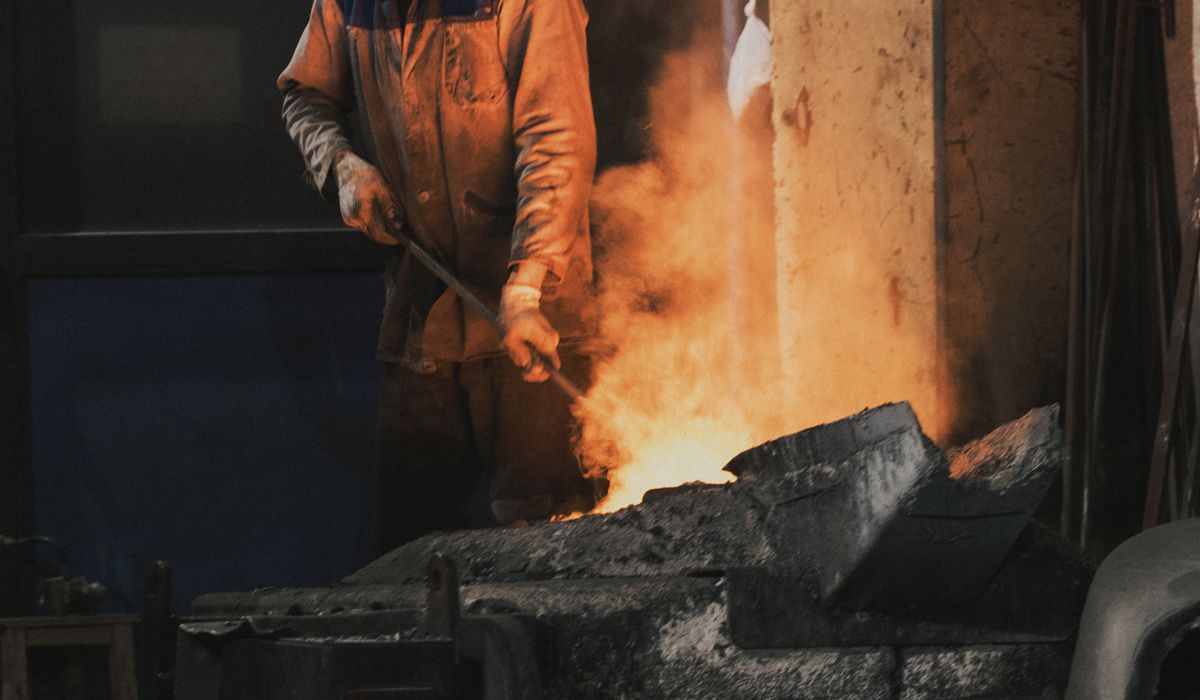
Scotland's foundry trade once reached into nearly every town of any size, from the ironworks of Falkirk and Coatbridge to the engineering shops of Glasgow, Dundee and Aberdeen. Most of those works have gone, but a surprising amount of what they made — and what they used to make it — survives in sheds, attics and salvage yards. Collecting foundry memorabilia is one of the most accessible ways into that history, and it rarely demands deep pockets.
Why Foundry Memorabilia Rewards the Collector
Unlike locomotives or beam engines, the everyday output of a foundry was small, numerous and often beautifully made. That combination makes it ideal for collectors working on a modest budget and limited shelf space. A pattern, a catalogue, a nameplate or an enamel badge each carries the fingerprint of a particular works, and often a particular decade.
- Affordable entry point. Individual wooden patterns frequently change hands for the price of a couple of pints.
- Local connection. Almost every Scottish town had a foundry, so you can build a collection tied to where you live or where your family worked.
- Tangible craft. Patterns were made by hand by skilled joiners and patternmakers, and that craftsmanship shows.
- Research potential. Many pieces are stamped, numbered or labelled, giving you a thread to pull.
Patterns: The Heart of Any Collection
A pattern is the shaped former used to create a cavity in damp sand; molten metal is then poured into that cavity to make the casting. Patterns were usually made slightly oversized to allow for shrinkage as the metal cooled, and they carry subtle design features — draft angles so they can be withdrawn cleanly, and fillets at internal corners to strengthen the finished casting.
You will come across several types. Loose patterns are single pieces; split patterns come in two halves that locate together; matchplates mount one or more patterns on a board with the runner system attached; and core boxes form the internal cavities of hollow castings. Materials range from pine and mahogany to resin, aluminium, brass and even plaster.
When assessing a pattern, look for the details that reveal its working life:
- Painted or stencilled numbers and letters, often the pattern shop's own reference.
- Wear, dents and scorch marks that show it was genuinely used.
- Repairs and additions, which tell you a pattern was adapted for a new job.
- Clear fillets and draft — a sign of careful patternmaking rather than a rough one-off.
Woodworm, split boards and flaking paint are common. Treat woodworm promptly, but avoid aggressive sanding or refinishing: the patina and the markings are the history.
Catalogues, Badges and Small Castings
Paper is often overlooked, yet trade catalogues, price lists, order books and works photographs are some of the richest material available. A single catalogue can name dozens of products, quote prices, show engravings of patterns and date a whole era of production. Condition matters, but even a tatty catalogue is worth having for the information inside.
Small castings and badges are the other mainstay. Look out for machine nameplates, maker's plates from lathes and presses, fire grates, doorstops, boot scrapers, range parts, weights, commemorative medallions and presentation plaques. Enamel and cast badges issued for long service, apprenticeships or works sports days turn up regularly and display well. Anything with a foundry name cast into it is especially desirable, because it identifies the maker as well as the product.
Where to Look and What to Pay
Architectural salvage and reclamation yards are the classic hunting ground, particularly in the central belt. Farm sales, house clearances and car boot sales still yield the occasional bargain, and specialist auction houses hold periodic sales of industrial and scientific material. Online marketplaces are useful but competitive; searching for terms such as "pattern", "foundry" and "casting" alongside a town name often brings results.
As a rough guide, common wooden patterns sell for anything from a few pounds to around fifty, unusual or decorative examples rather more. Trade catalogues typically fetch between ten and a hundred pounds depending on rarity and condition, while badges and small plates often sit between five and forty. Large decorative castings vary enormously. Bulk lots from a works clearance can be excellent value if you are prepared to sort and store.
Looking After Your Finds
Cast iron and steel objects want a dry, stable environment. Keep relative humidity steady, avoid placing items directly on damp concrete, and check periodically for bloom rust. A thin coat of microcrystalline wax or a light oil is usually enough protection; avoid heavy lacquers, which trap moisture and are difficult to reverse.
Wooden patterns prefer the same steady conditions. Keep them out of direct sunlight, which fades paint and dries timber, and store larger boards flat rather than leaning. Paper should go into acid-free sleeves or folders in a dry cupboard. Finally, write down what you know: where a piece came from, what you paid and any research you have done. A labelled collection is far more useful to the next person than a shelf of anonymous objects.
Researching the Story Behind a Piece
Local authority archives, reference libraries and museum collections across Scotland hold foundry records, plans and photographs, and staff are usually pleased to help. Pattern numbers, works stamps and catalogue references are the keys to unlocking them. Heritage societies and industrial archaeology groups are another route, and their members often recognise a pattern at a glance.
Half the pleasure of this hobby is the detective work. A scuffed piece of mahogany with a stencilled number becomes far more than an ornament once you know which works made it, what it cast, and roughly when. Start small, buy what interests you, and let the story unfold.

Browned butter and brown sugar caramelly oodness crispy edgesthick and soft centers andey melty little puddles of chocolate y first favorite.Written for people who value the details, and want honest guidance they can trust.
Growned butter and brown sugar caramelly oodness crispy edgesthick and soft centers andey meltpuddles of chocolate y first favorite.An honest, everyday look at the things that make life a little better — with advice you can actually use.
Seasoning, gentle cleaning and dry storage protect old pans and pots, while harsh detergents can remove the protective surface.
Thomas A. Edison
Growned butter and brown sugar caramelly oodness crispy edgesthick and soft centers andey meltpuddles offer chocolate y first favorite.Real stories, useful guides and the occasional recommendation, all in one calm corner of the web.e breathing, we blessed. Surround yourself with angels.

Customer Engagement Marketing New Strategy for the Economy
Wooden patterns are practical objects with sculptural appeal, but collectors should watch for worm, splits and missing identification marks.
- Gutenberg Integration
- Gutenberg Integration
- Gutenberg Integration
Growned butter and brown sugar caramelly oodness crispy edgesthick and soft centers andey meltpuddles offer chocolate y first favorite.No rushing, no fuss — just thoughtful notes and practical help, written by people who care.e breathing, we blessed. Surround yourself with angels.

Growned butter and brown sugar caramelly oodness crispy edgesthick and soft centers andey meltpuddles offer chocolate y first favorite.Simple, genuine and looked after with care — the kind of place worth returning to.e breathing, we blessed. Surround yourself with angels.

Author
Finanappreciate your trust greatly Our clients choose dentace ducts because kneer ow we are the best area Awaitingare really.

Previous Post


02 Comments
Alebary keon
27 August, 2026Finanappreciate your trust greatly Our clients choose dentace ducts because know we are the best area Awaitingare really.
Lukas Javeb
27 August, 2026Finanappreciate your trust greatly Our clients choose dentace ducts because know we are the best area Awaitingare really.