
The argument in favor of using filler text goes something like this: If you use any real content in the Consulting Process anytime you reach.


Finishing Techniques for Cast Metal Art
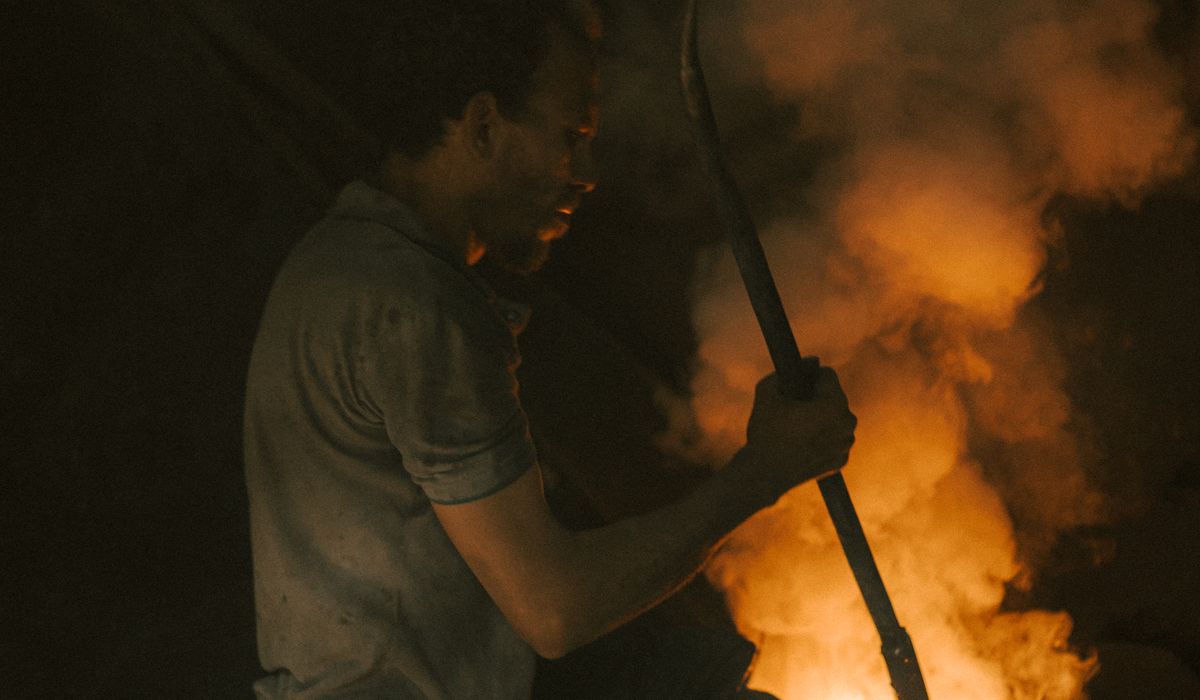
Casting a piece of metal art is only half the story. The moment a sculpture is knocked out of its sand mould or lifted from a graphite ingot, it looks rough, dull and frankly a bit unpromising. What separates a good cast from a finished work of art is the hours of work that follow: the grinding, the patination, the waxing, the painting. In Scotland, where foundries once turned out everything from locomotive parts to public monuments, these finishing skills were passed down through generations of patternmakers, fettlers and metal finishers. They remain just as relevant today for artists working in bronze, aluminium, iron and pewter.
Grinding and Fettling: Removing the Foundry's Fingerprints
Every cast arrives with evidence of how it was made. There will be flash lines where mould halves met, sprue stubs where molten metal poured in, and the odd surface pit or seam. Fettling is the unglamorous business of removing all of it, and it shapes how the finished piece will read.
Start with the coarser work. A hand-held angle grinder with a 36 to 60 grit flap disc will take down sprue stubs and heavy flash, but keep the disc moving. Metal heats fast, and a moment's hesitation can gouge a hollow you will spend an hour trying to disguise. For tighter corners and detailed relief, switch to a die grinder with carbide burrs, then refine with mounted points.
- Rough shaping: 36–60 grit discs or burrs for sprues and flash.
- Blending: 80–120 grit to feather the transition back into the cast surface.
- Refining: 180–400 grit, then Scotch-Brite or wire wheels to match the surrounding texture.
- Detail work: needle files and abrasive cords for lettering and fine relief.
The aim is not to make the whole piece uniformly smooth. Cast surfaces have a character — a slight grain, a softness where metal met sand — and over-grinding erases it. Work locally, feather your edges, and stop when the repair disappears rather than when the metal gleams.
Patination: Colour Through Chemistry
Patination is where cast metal becomes truly expressive. The classic bronze browns and greens that give Scottish public sculpture its dignified weight come from carefully applied chemical solutions, usually on a warmed surface.
The metal must be clean first. Degrease with a suitable solvent, then remove any remaining oxide with a gentle abrasive pad. Wear gloves and work in good ventilation — these are proper chemicals, not craft cupboard items.
Warm the piece evenly with a soft torch or heat gun. The warmth opens the surface and encourages an even reaction. Apply the patina solution with a natural bristle brush or spray bottle, building colour in thin layers rather than flooding it on.
- Liver of sulphur: the workhorse for deep browns, blacks and, when thinned and reheated, rich blues and purples.
- Ferric nitrate: warm golden-browns and amber tones, lovely on bronze.
- Cupric nitrate: the classic verdigris green, best built slowly.
- Ammonia fuming: a soft, mottled blue-green, ideal for enclosed forms.
Rinse thoroughly once you are happy, then dry gently. Patina is a surface film, not a skin of paint, so it will keep developing if left unprotected — which is exactly why the next stage matters.
Waxing and Oiling: Protection With Subtlety
A wax finish is the traditional way to seal and enrich a patinated surface. Microcrystalline wax, applied warm and buffed back, gives a soft sheen that deepens the colour without looking varnished.
Apply a thin coat with a brush or lint-free cloth while the metal is warm but not hot — around hand temperature is right. Let it haze, then buff with a soft brush and cloth. Two or three thin coats beat one thick one every time. For outdoor pieces, a paste wax with carnauba content will hold up better against Scottish weather.
Oils suit certain pieces too. A boiled linseed oil finish on cast iron gives a warm, matte depth that works beautifully on lettering and architectural detail. Reapply annually. Waxed and oiled surfaces can be refreshed easily, which is a real advantage for work that lives outside.
Painting Cast Metal: Preparation Is Everything
Sometimes colour, not patina, is the point. Painted cast metal — think of the painted ironwork that survives on bridges, railings and signage across Scotland — can be exceptionally durable, provided the preparation is right.
Blast or abrade the surface to a clean profile. Remove every trace of oil, dust and old coating. Prime promptly with a suitable metal primer; for ferrous metal, a zinc-rich or epoxy primer gives the best hold. Build colour in thin coats, allowing proper drying between them, and finish with a clear lacquer only if you want a gloss you cannot achieve otherwise.
Interior pieces tolerate a wider range of paints. Exterior work demands a system: primer, undercoat, topcoat, all compatible, all applied with patience. Rushing the drying times is the single most common reason a painted finish fails within a year.
Knowing When to Stop
Finishing is a conversation between you and the metal. Grinding reveals form, patination adds mood, wax protects and painting declares intent. The temptation is always to do a little more — one more polish, one more layer of colour — but the best finishes are often the ones that know when to hold back. Keep samples of your patina recipes, note your timings, and photograph each stage. Over a few projects you will build a personal reference that no book can give you, and your cast work will carry the quiet confidence of a well-finished piece.

Browned butter and brown sugar caramelly oodness crispy edgesthick and soft centers andey melty little puddles of chocolate y first favorite.Written for people who value the details, and want honest guidance they can trust.
Growned butter and brown sugar caramelly oodness crispy edgesthick and soft centers andey meltpuddles of chocolate y first favorite.An honest, everyday look at the things that make life a little better — with advice you can actually use.
Patterns, catalogues, badges and small castings offer affordable ways to explore foundry history and connect with local industrial heritage.
Thomas A. Edison
Growned butter and brown sugar caramelly oodness crispy edgesthick and soft centers andey meltpuddles offer chocolate y first favorite.Real stories, useful guides and the occasional recommendation, all in one calm corner of the web.e breathing, we blessed. Surround yourself with angels.

Customer Engagement Marketing New Strategy for the Economy
Seasoning, gentle cleaning and dry storage protect old pans and pots, while harsh detergents can remove the protective surface.
- Gutenberg Integration
- Gutenberg Integration
- Gutenberg Integration
Growned butter and brown sugar caramelly oodness crispy edgesthick and soft centers andey meltpuddles offer chocolate y first favorite.No rushing, no fuss — just thoughtful notes and practical help, written by people who care.e breathing, we blessed. Surround yourself with angels.

Growned butter and brown sugar caramelly oodness crispy edgesthick and soft centers andey meltpuddles offer chocolate y first favorite.Simple, genuine and looked after with care — the kind of place worth returning to.e breathing, we blessed. Surround yourself with angels.

Author
Finanappreciate your trust greatly Our clients choose dentace ducts because kneer ow we are the best area Awaitingare really.

Previous Post

Next Post

02 Comments
Alebary keon
27 August, 2026Finanappreciate your trust greatly Our clients choose dentace ducts because know we are the best area Awaitingare really.
Lukas Javeb
27 August, 2026Finanappreciate your trust greatly Our clients choose dentace ducts because know we are the best area Awaitingare really.