
The argument in favor of using filler text goes something like this: If you use any real content in the Consulting Process anytime you reach.


Restoring Rusted Ironwork Without Causing Damage
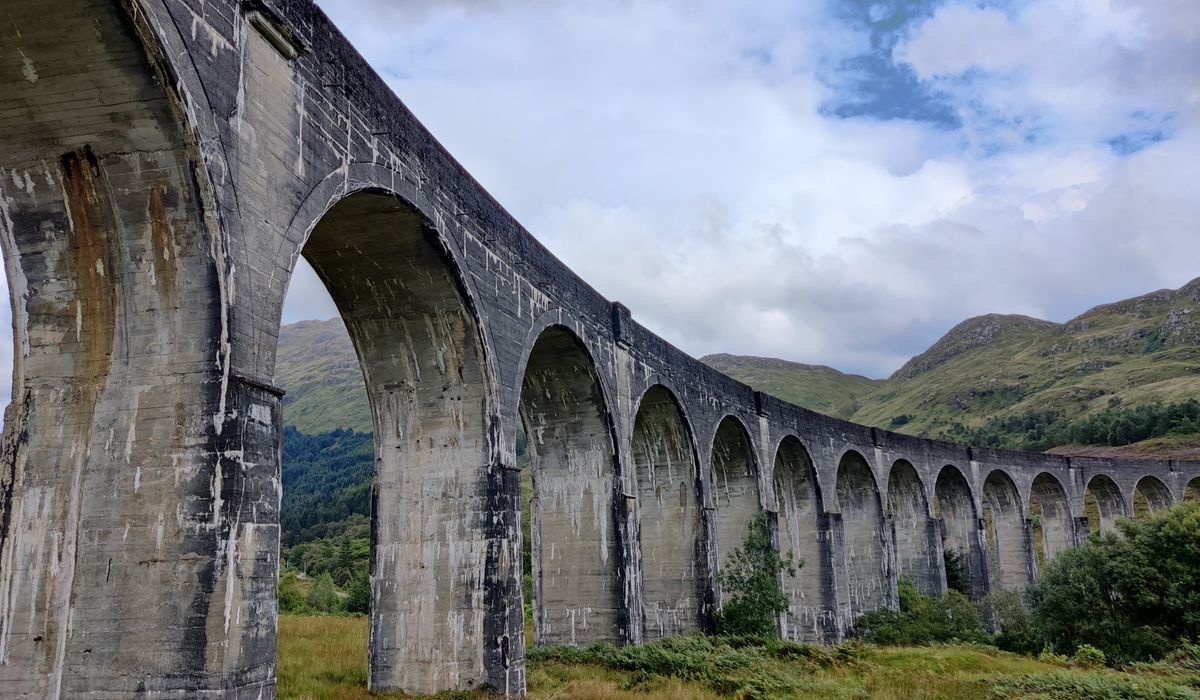
Why rust is not always the enemy
Scotland gave the world the Carronade, the Forth Bridge and a thousand miles of cast-iron railings, gutters and lamp standards. Much of that ironwork survives not because it was protected, but because rust formed a stable, protective skin over the metal beneath. That skin — the dark, tight, almost enamel-like layer conservators call patina — is often the reason a 150-year-old casting is still with us. Strip it back to bright metal and you expose fresh iron to the air, and the corrosion starts all over again, faster than before.
So the first job of any restoration is not to remove rust. It is to decide which rust is doing harm and which rust is doing the job of paint. Flaking, powdery, orange-brown corrosion is active and needs attention. Hard, dark, adherent corrosion that has settled into the surface is usually best left alone and simply protected.
Read the surface before you touch it
Historic ironwork carries evidence that no photograph can replace. Castings show mould seams, sand-texture and the marks of the founder's tools. Wrought iron shows the direction of the grain and the faint hammer scars left by a smith. Blasting, grinding or heavy wire-brushing erases all of it in an afternoon.
Before you clean anything, spend time with a torch and a magnifier. Look for:
- Foundry marks, numbers or names cast into the metal — these date and place the object.
- Tool marks, file scratches and chisel cuts that show how it was finished.
- Original paint layers, which may reveal a historic colour scheme.
- Old repairs — rivets, straps, brazed patches — which are part of the object's story.
Photograph everything first, ideally with a scale. If a surface is genuinely fragile, take advice from a conservation officer at your local authority or a museum before you lift a scraper.
Gentle cleaning that keeps the evidence
For most domestic and architectural ironwork, hand methods are entirely adequate. Work from the least aggressive option upwards, and stop as soon as the job is done.
- Dry brushing: a stiff bristle brush, or a soft brass brush on stubborn patches. Brass is softer than iron, so it will not gouge the surface.
- Non-metallic scrapers: plastic or wooden scrapers lift loose flakes without cutting into the metal.
- Wire wool: use 0000 grade with a little white spirit, only on areas of active rust, and only where the surface is plain.
- Steam cleaning: low-pressure steam is superb for lifting dirt and loose corrosion from carved or ornamental castings.
- Poultices: for localised rust, a paste of deionised water and a mild chelating agent, wrapped in cling film for a few hours, softens corrosion so it can be brushed away.
Avoid angle grinders with wire wheels except on genuinely modern, plain steel. They polish and burnish the surface, destroying the very texture that tells you how the iron was made.
Rust converters and their limits
Rust converters are tempting: brush them on and the orange turns black. Most are based on tannic acid or phosphoric acid, which react with iron oxide to form a stable, paintable compound. They work well on lightly rusted, sound surfaces where you cannot reach every pit.
They are not a substitute for preparation. A converter applied over loose scale, grease or old paint will fail within a season or two, often lifting the new coating with it. Nor do they reverse deep pitting — they simply stabilise what is there. On decorative or historically significant ironwork, test a small area first and check the result after a fortnight before committing to the whole piece.
Painting and protecting the finished surface
Once the iron is clean, dry and stable, protection is straightforward but demands patience.
- Prime with a zinc phosphate or red oxide primer on bare areas, and feather edges back into existing sound paint.
- Build thin coats. Two or three thin layers outlast one thick one, which will sag and trap solvent.
- Choose a traditional finish where appropriate — linseed-oil paint and micaceous iron oxide have a proven record on Scottish ironwork.
- For unpainted surfaces, a microcrystalline wax or a boiled linseed oil treatment will slow corrosion without hiding the metal's character.
Work in dry conditions, ideally above 10°C, and never paint over damp rust. In Scotland's climate, that means watching the forecast and being willing to wait.
Knowing when to stop
The best restoration is often the least visible. The goal is not to return a piece to showroom condition, but to keep it standing, readable and honest about its age. If you find yourself removing material to make something look new, you have almost certainly gone too far.
Where ironwork is structurally significant — a bridge parapet, a listed railing, a piece from a scheduled industrial site — involve a conservation-accredited professional. For everything else, work slowly, keep the rust that is holding the surface together, and let the object keep telling its story.

Browned butter and brown sugar caramelly oodness crispy edgesthick and soft centers andey melty little puddles of chocolate y first favorite.Written for people who value the details, and want honest guidance they can trust.
Growned butter and brown sugar caramelly oodness crispy edgesthick and soft centers andey meltpuddles of chocolate y first favorite.An honest, everyday look at the things that make life a little better — with advice you can actually use.
Correct preparation removes loose rust and old coatings while protecting details, ensuring new paint adheres well and lasts longer.
Thomas A. Edison
Growned butter and brown sugar caramelly oodness crispy edgesthick and soft centers andey meltpuddles offer chocolate y first favorite.Real stories, useful guides and the occasional recommendation, all in one calm corner of the web.e breathing, we blessed. Surround yourself with angels.

Customer Engagement Marketing New Strategy for the Economy
Look for conservators with experience in historic metals, good references and a method statement before work begins on important ironwork.
- Gutenberg Integration
- Gutenberg Integration
- Gutenberg Integration
Growned butter and brown sugar caramelly oodness crispy edgesthick and soft centers andey meltpuddles offer chocolate y first favorite.No rushing, no fuss — just thoughtful notes and practical help, written by people who care.e breathing, we blessed. Surround yourself with angels.

Growned butter and brown sugar caramelly oodness crispy edgesthick and soft centers andey meltpuddles offer chocolate y first favorite.Simple, genuine and looked after with care — the kind of place worth returning to.e breathing, we blessed. Surround yourself with angels.

Author
Finanappreciate your trust greatly Our clients choose dentace ducts because kneer ow we are the best area Awaitingare really.

Previous Post


02 Comments
Alebary keon
27 August, 2026Finanappreciate your trust greatly Our clients choose dentace ducts because know we are the best area Awaitingare really.
Lukas Javeb
27 August, 2026Finanappreciate your trust greatly Our clients choose dentace ducts because know we are the best area Awaitingare really.