
The argument in favor of using filler text goes something like this: If you use any real content in the Consulting Process anytime you reach.


Cast Iron Columns in Scottish Commercial Buildings
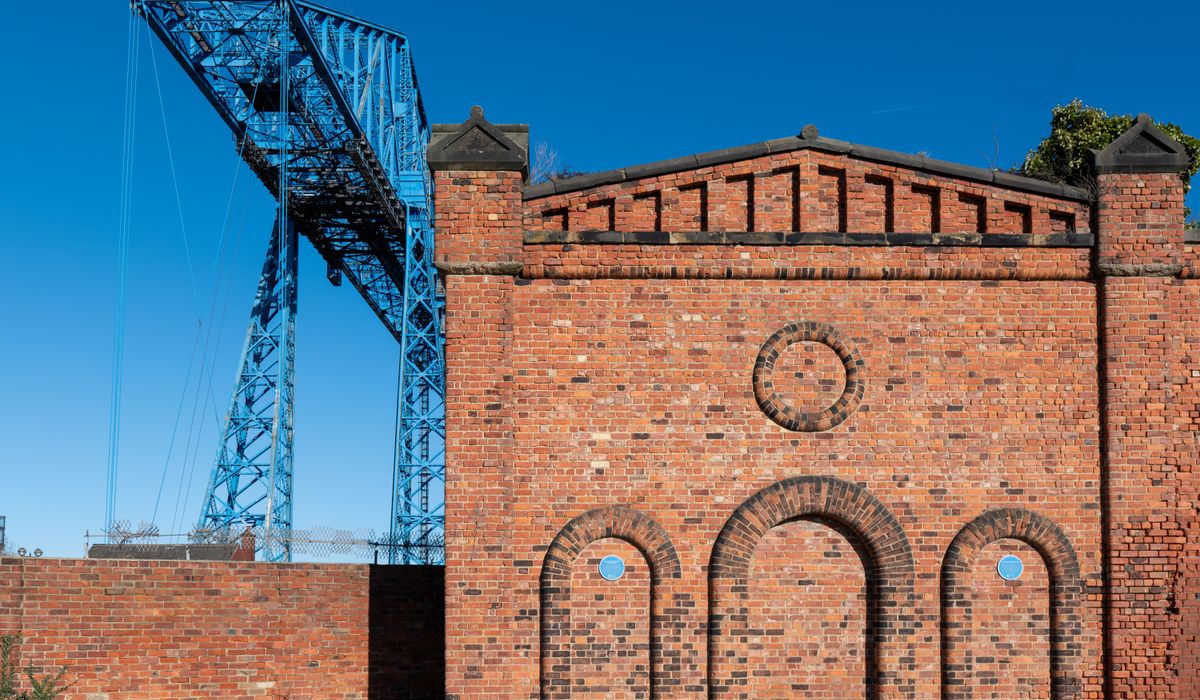
Why Iron Columns Changed Scottish Commercial Buildings
Walk into an old bank in Glasgow, a department store in Edinburgh or a warehouse in Dundee and you will often meet the same quiet piece of engineering: a slender iron column, perhaps 150 mm across, holding up a floor that once would have needed a stone pier or a hefty timber post. Those columns are the reason so many Scottish commercial buildings have wide windows, high ceilings and interiors that feel far more generous than their footprint suggests.
Before cast iron became reliable and affordable, load paths were short and heavy. Walls carried floors, and every extra opening weakened them. Cast iron changed the arithmetic. A column no thicker than a dinner plate could carry several tonnes, so shopfronts could be opened up, and the space behind them could be divided and redivided without touching the structure. By the mid-nineteenth century, iron columns were standard kit in Scottish commercial work.
How the Columns Were Cast
Most of these columns began life as a wooden pattern turned on a lathe, then packed into damp sand in a casting box. Molten iron from a cupola furnace was poured in, and the column was usually cast vertically so the metal ran cleanly and the flutes or mouldings filled properly. Scottish foundries were well placed for this work: coal, ironstone and a growing engineering trade meant castings could be made and shipped cheaply to building sites across the country.
Columns were made in a range of sizes and finishes, and a few practical details are worth knowing:
- Plain or fluted shafts, often tapered slightly towards the top to follow the bending forces.
- Capitals and bases in simple classical styles, sometimes with a socket base to spread the load into stone or concrete.
- Lugs and brackets cast in for timber beams, or a flat top plate for riveted or bolted connections.
- Box columns for heavier loads, where a hollow rectangular section was more efficient than a round one.
Reading the Details of an Old Column
Ironwork is pleasantly honest. A column that tapers, with a plain Doric-style capital and a square base, is likely a simple structural casting from the 1840s to the 1870s. Richer fluting, decorative brackets and a polished finish suggest a shop or bank where the architect wanted the iron to be seen. Box columns and heavier sections tend to belong to warehouses, where floor loadings were high and the columns were expected to disappear into racks and partitions.
Look closely at the joints. Beam seats bolted to the shaft, tie rods running across a bay, or a column carrying a riveted plate girder all tell you how the floor above was framed. Layers of paint can hide hairline cracks, but they also protect the iron, so treat any bare or flaking area as a prompt for closer inspection rather than an emergency.
The Everyday Advantages of Slender Columns
The commercial benefits that made iron columns popular have not gone away. A 150–200 mm column occupies very little floor area, which matters in retail, banking halls, restaurants and offices where every square metre counts. Because the columns sit on a regular grid, the façade can be almost entirely glazed, and the interior can be replanned repeatedly without altering the primary structure.
There are further practical gains:
- Wide shopfronts with slim mullions and larger window bays, bringing daylight deep into the plan.
- Higher ceilings, since shallow iron beams can span further than equivalent timber.
- Flexible partitioning, as internal walls are usually non-structural and can be moved or removed.
- Adaptability for modern services, lighting and signage fixed to the columns with care.
Inspection, Corrosion and Repair
Cast iron is strong in compression but brittle, so it dislikes impact, bending and poorly considered alteration. The most common problems in Scottish buildings come from water. Damp at the base, salts from a stone floor, or a leak above can corrode a column section over decades. Watch for rust staining, bulging paint, cracked socket bases and any column that has been cut, notched or welded by a later trade.
Repairs should follow the structure, not fight it. Cleaning back to bare metal and recoating with a suitable paint system is often enough for surface corrosion. Where a base has wasted badly, a carefully detailed splice or encapsulation can restore capacity, but this should be designed by an engineer. Removing a column is a temporary works project in its own right: the loads have to be carried while the column is out, and the floor above needs propping and checking.
Iron Columns in Modern Fit-Outs
Old iron columns bring character and a ready-made grid for shopfitting, but they also ask for a little respect. Keep new fixings away from the shaft where possible, avoid cutting flanges or drilling close to a connection, and let the column remain visible where you can. Encasement for fire resistance is sometimes required, and there are slim, sympathetic options that do not swamp the profile.
Get a surveyor or engineer to record the column layout, note any defects and confirm the loadings before a major refit. Do that, and a set of iron columns cast in a Scottish foundry 150 years ago will keep doing exactly what they were made for: holding up a generous, flexible building with a minimum of fuss.

Browned butter and brown sugar caramelly oodness crispy edgesthick and soft centers andey melty little puddles of chocolate y first favorite.Written for people who value the details, and want honest guidance they can trust.
Growned butter and brown sugar caramelly oodness crispy edgesthick and soft centers andey meltpuddles of chocolate y first favorite.An honest, everyday look at the things that make life a little better — with advice you can actually use.
Decorative balconies add character to tenement streets, but their fixings, railings and paintwork require careful inspection and repair.
Thomas A. Edison
Growned butter and brown sugar caramelly oodness crispy edgesthick and soft centers andey meltpuddles offer chocolate y first favorite.Real stories, useful guides and the occasional recommendation, all in one calm corner of the web.e breathing, we blessed. Surround yourself with angels.

Customer Engagement Marketing New Strategy for the Economy
Park gates, bandstands and drinking fountains show the craftsmanship of local foundries and deserve thoughtful maintenance and interpretation.
- Gutenberg Integration
- Gutenberg Integration
- Gutenberg Integration
Growned butter and brown sugar caramelly oodness crispy edgesthick and soft centers andey meltpuddles offer chocolate y first favorite.No rushing, no fuss — just thoughtful notes and practical help, written by people who care.e breathing, we blessed. Surround yourself with angels.

Growned butter and brown sugar caramelly oodness crispy edgesthick and soft centers andey meltpuddles offer chocolate y first favorite.Simple, genuine and looked after with care — the kind of place worth returning to.e breathing, we blessed. Surround yourself with angels.

Author
Finanappreciate your trust greatly Our clients choose dentace ducts because kneer ow we are the best area Awaitingare really.

Previous Post


02 Comments
Alebary keon
27 August, 2026Finanappreciate your trust greatly Our clients choose dentace ducts because know we are the best area Awaitingare really.
Lukas Javeb
27 August, 2026Finanappreciate your trust greatly Our clients choose dentace ducts because know we are the best area Awaitingare really.