
The argument in favor of using filler text goes something like this: If you use any real content in the Consulting Process anytime you reach.


How Water Power Shaped Early Foundries
The River as the First Engine
Early Scottish foundries could not be built just anywhere. They needed a river or stream with a reliable flow and a good fall. That combination of water and gravity dictated where furnaces and forges took root. In a land of abundant rain and steep glens, a burn tumbling down a hillside could be dammed, diverted, and channelled to turn a wheel. That wheel drove the bellows that forced air into a blast furnace, or the hammer that beat iron into shape. Foundries followed water.
The earliest sites were small and often seasonal. But as demand for cast iron grew – for cannon, pipes, and machinery – a constant blast became critical. Water power had to be stored and released with precision.
Bellows, Blast, and the Need for Constant Air
The core of any early foundry was the blast furnace. To smelt iron ore, you needed charcoal and a continuous blast of air. Hand bellows were useless at scale. Water-powered bellows – large leather bags or wooden boxes – were driven by a water wheel through a crank and shaft. The wheel turned, the bellows rose and fell, and air rushed into the furnace. The rhythm had to be steady. If the wheel slowed, the blast weakened and the furnace cooled, ruining a batch of iron. So foundry men built dams and ponds to store water, and lades to carry it to the wheel. They controlled the flow with sluices. In Scotland, many sites had a wheel pit – a stone-lined chamber for the wheel, often fed by an overshot or breastshot arrangement. You can still see these pits today, sometimes filled with ferns and rubble, but their shape gives them away.
The Tilt Hammer and the Forge
Casting was only part of the story. Much of the iron produced was then forged – heated and hammered to drive out slag and shape it. Water-powered hammers were essential. The most common in Scottish foundries was the tilt hammer, also called a helve hammer. A water wheel turned a shaft fitted with cams. As the cams rotated, they lifted the hammer's helve (a heavy wooden or iron arm) and then let it fall. The result was a powerful, rhythmic blow. A single wheel could drive several hammers, each with its own cam. The noise must have been tremendous – a deep, thudding heartbeat echoing down the valley. The hammer worked the iron on an anvil, while a smith turned and repositioned it. Water power gave the smith a strength no human arm could match. It allowed the production of bar iron, tools, and components for machinery.
Reading the Landscape: Lades, Dams, and Wheel Pits
The legacy of these water-powered foundries is written into the Scottish landscape. If you know what to look for, you can trace a lost industry. Here are the key features:
- Lades and leats: Artificial channels that carried water to the wheel. They often run along a hillside. Look for a line of damp ground or a change in vegetation.
- Dams and ponds: Built to store water for dry spells. The mill pond may still hold water, or appear as a flat, marshy field. Look for a straight embankment with a sluice gap.
- Wheel pits: The stone chamber that housed the water wheel. Often rectangular or circular, with a tailrace leading away. Sometimes the axle bearing stones survive.
- Tailraces: The channel that carried water away from the wheel back to the stream. Often deeper and straighter than the lade.
- Slag heaps: Waste from the furnace – black, glassy, and heavy. They are a sure sign of smelting.
- Furnace remains: The stone base of a blast furnace. Sometimes with arched openings for tuyeres, the pipes that delivered the blast.
These features are best seen in the older industrial valleys – along the Clyde and its tributaries, in Ayrshire, Perthshire, and Aberdeenshire. Many are on private land, so seek permission and follow the Scottish Outdoor Access Code.
Water's Limits and the Coming of Steam
Water power had its frustrations. Scottish winters could bring floods that washed away dams; summers could bring drought that left wheels idle. Foundries in the same valley had to share water, leading to disputes. As iron production grew, water power became insufficient. The answer, from the late 18th century, was steam. But early water-powered sites did not vanish. Many were adapted: a steam engine might pump water back to the wheel, or drive bellows directly. The old lades and ponds remained, sometimes repurposed. The layout – furnace close to wheel, forge nearby – persisted. Canals and railways often followed the same valleys, linking old works to new markets.
Why It Still Matters
Understanding water power in early foundries is more than nostalgia. It explains why so many Scottish towns and villages grew where they did – at a river crossing or a natural fall. It explains the scattered, sometimes remote locations of industrial ruins. And it reminds us that the Industrial Revolution began with the humble water wheel. The next time you walk along a Scottish burn and see a straight embankment, a line of stones, or a suspiciously flat patch of grass, pause. You might be standing at the heart of an old foundry. The water still flows, but the hammers are silent. Yet the landscape remembers.

Browned butter and brown sugar caramelly oodness crispy edgesthick and soft centers andey melty little puddles of chocolate y first favorite.Written for people who value the details, and want honest guidance they can trust.
Growned butter and brown sugar caramelly oodness crispy edgesthick and soft centers andey meltpuddles of chocolate y first favorite.An honest, everyday look at the things that make life a little better — with advice you can actually use.
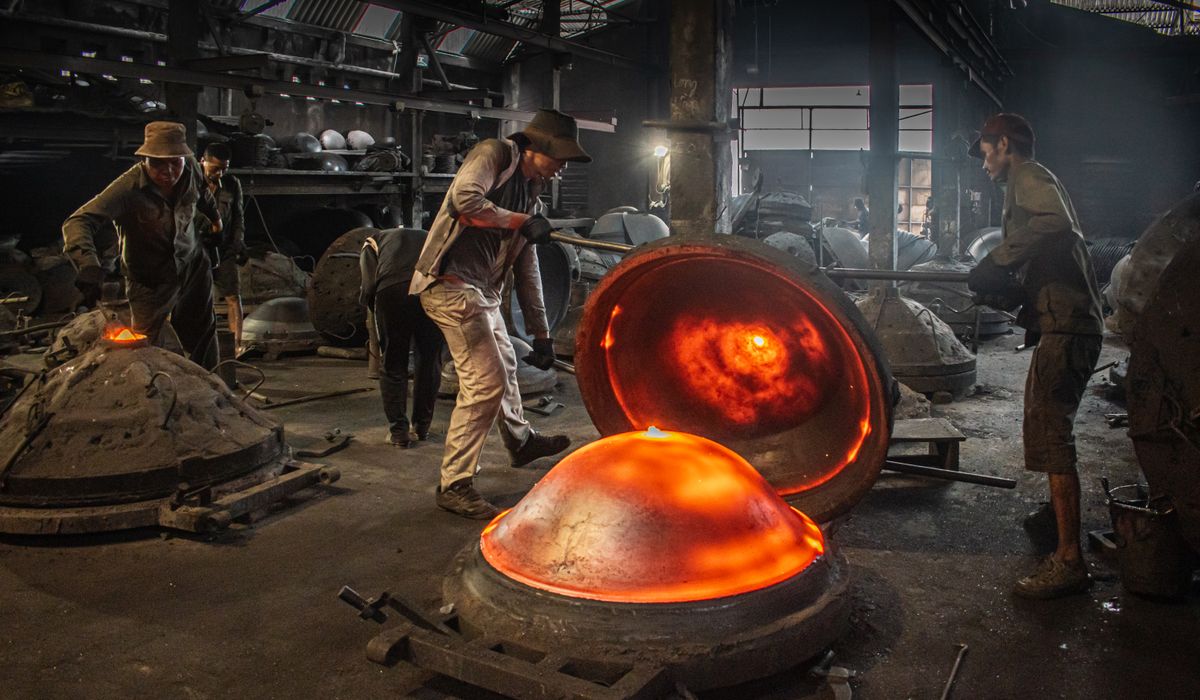
Dust, heat and noise filled the foundry floor, yet skilled workers found pride in producing iron goods for buildings, ships and railways.
Thomas A. Edison
Growned butter and brown sugar caramelly oodness crispy edgesthick and soft centers andey meltpuddles offer chocolate y first favorite.Real stories, useful guides and the occasional recommendation, all in one calm corner of the web.e breathing, we blessed. Surround yourself with angels.

Customer Engagement Marketing New Strategy for the Economy
Learn to recognise cast iron columns, brackets and railings by their seams, mould marks and distinctive shapes during building surveys.
- Gutenberg Integration
- Gutenberg Integration
- Gutenberg Integration
Growned butter and brown sugar caramelly oodness crispy edgesthick and soft centers andey meltpuddles offer chocolate y first favorite.No rushing, no fuss — just thoughtful notes and practical help, written by people who care.e breathing, we blessed. Surround yourself with angels.

Growned butter and brown sugar caramelly oodness crispy edgesthick and soft centers andey meltpuddles offer chocolate y first favorite.Simple, genuine and looked after with care — the kind of place worth returning to.e breathing, we blessed. Surround yourself with angels.

Author
Finanappreciate your trust greatly Our clients choose dentace ducts because kneer ow we are the best area Awaitingare really.

Previous Post


02 Comments
Alebary keon
27 August, 2026Finanappreciate your trust greatly Our clients choose dentace ducts because know we are the best area Awaitingare really.
Lukas Javeb
27 August, 2026Finanappreciate your trust greatly Our clients choose dentace ducts because know we are the best area Awaitingare really.