
The argument in favor of using filler text goes something like this: If you use any real content in the Consulting Process anytime you reach.


Life Inside a Victorian Scottish Foundry
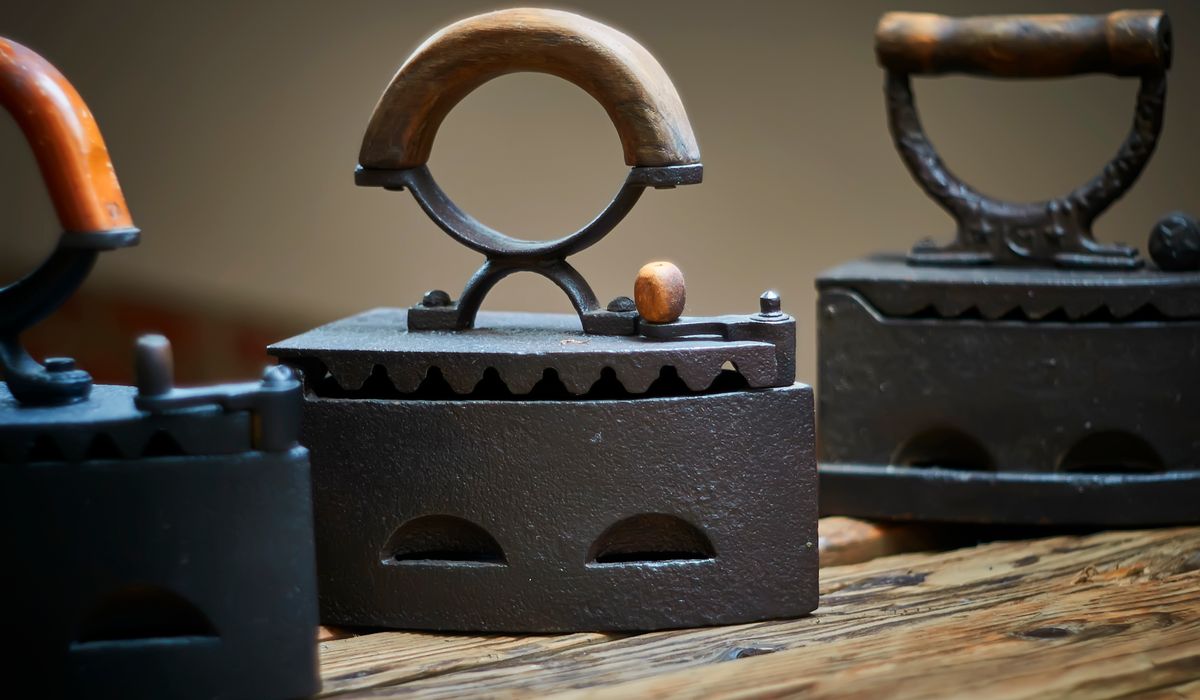
You would have known the foundry before you saw it. A mile off, the cupola’s blower made a low hum, and the air carried a tang of hot coke, burnt sand and cold iron. In Victorian Scotland, foundries sat close to the shipyards, railways and tenements they served: in Glasgow, Falkirk, Coatbridge and Dundee, their chimneys marked the skyline. The gate opened at six, and men in leather aprons, mufflers and clogs filed into a world of dust, heat and noise.
The Morning Shift
A foundry floor was not one workshop but several. Patternmakers worked in a quiet shop that smelled of linseed oil and new pine. Moulders ruled the main floor, where rows of iron flasks stood in dark sand. Labourers wheeled barrows of pig iron and coke. Dressers and fettlers waited near grindstones that threw sparks into the gloom. Overhead, a hand crane moved heavy moulds and ladles, its chains clanking. The foreman’s chalk marks set the day’s jobs, and piecework rates decided whether a man took home a decent wage or barely enough.
Sand, Patterns and the Moulder’s Craft
The moulder’s raw material was sand, but not the sand of a child’s bucket. Foundry greensand was a carefully kept mix of silica sand, clay, coal dust and water. It had to be damp enough to hold a shape and open enough to let gases escape when molten iron touched it. A wooden pattern, made slightly larger than the finished casting to allow for shrinkage, was packed into a flask. The moulder rammed sand around it, then split the flask into cope and drag. Parting sand stopped the halves sticking. He drew the pattern, cut gates and runners, and patched damage with a trowel.
Hollow castings needed cores, made from sand and binders, baked or air-dried and set into the mould with chaplets. Large cylinders might be loam moulded, built up with brick and clay rather than a solid pattern. A moulder’s tools were few but personal: rammer, strike-off bar, trowel, slick, swab and vent wire. He carried them in a wooden box or canvas roll, and guarded them like a joiner’s chisels. A good moulder could feel when the sand was right and spot a shifted core before the pour. A blown mould meant scrap and lost pay.
At the Cupola: Melting and Pouring
The cupola stood like a black tower at the heart of the foundry. Men charged it from a platform, tipping in layers of pig iron, scrap iron, coke and limestone. A blower forced air through the tuyeres, and the coke burned white-hot. The cupola men watched the colour of the slag and listened to the blast. When the iron was ready, they drilled the tap hole and a stream of molten metal ran into a ladle lined with fireclay. Slag flowed off separately, to be raked aside.
Pouring was the most dangerous job on the floor. For small castings, two men carried a hand ladle between them, moving in step. For heavy work, a crane ladle swung overhead while the pourer tilted it. The team went quiet but for the roar of metal and shouted signals. The pourer kept a steady stream, watching for gas bubbles and cold shuts. A splash could burn through a boot. Risers and gates fed the casting as it cooled, and the sand around it hissed and scorched. Afterwards, the casting glowed dull red in the dark.
Fettling, Finishing and Pride
When the casting had cooled, the knock-out men broke away the sand. Gates and risers were cut off with a hammer and chisel. Fettlers dressed rough edges with files, chisels and grindstones. Dust from sand and iron filled the air, settling on hair and clothes. Inspectors tapped and eyed the castings for blowholes, cracks and cold shuts. A railway chair, a ship’s winch part, a tenement stair rail, a lamp post, a manhole cover or a range all had to be sound. The moulder might never see the building or vessel it went into, but he knew it had to fit, and he took pride in a clean, true casting. Apprentices served seven years, sweeping, carrying and watching, until they were trusted with a mould of their own.
Heat, Dust and Camaraderie
Victorian foundries were hard places. Ventilation was poor, respirators were unknown, and foundry dust damaged lungs over a lifetime. Burns, cuts and eye injuries were common. In winter the heat was welcome; in summer it was unbearable. Men drank tea from cans and ate pieces wrapped in paper, sitting on overturned boxes. Wages were piecework, measured in tonnage or moulds, and a bad week could bite. Trade unions and friendly societies offered some protection, and the pub at the gate was a second office for news and argument. Women worked in core shops and lighter casting, and after the Factory Acts children were largely gone from the floor, though apprentices still started young. The camaraderie was real: teams depended on each other, and a man’s nickname, tools and reputation followed him from foundry to foundry.

Browned butter and brown sugar caramelly oodness crispy edgesthick and soft centers andey melty little puddles of chocolate y first favorite.Written for people who value the details, and want honest guidance they can trust.
Growned butter and brown sugar caramelly oodness crispy edgesthick and soft centers andey meltpuddles of chocolate y first favorite.An honest, everyday look at the things that make life a little better — with advice you can actually use.
Learn to recognise cast iron columns, brackets and railings by their seams, mould marks and distinctive shapes during building surveys.
Thomas A. Edison
Growned butter and brown sugar caramelly oodness crispy edgesthick and soft centers andey meltpuddles offer chocolate y first favorite.Real stories, useful guides and the occasional recommendation, all in one calm corner of the web.e breathing, we blessed. Surround yourself with angels.

Customer Engagement Marketing New Strategy for the Economy
Gutters, downpipes and hoppers need regular clearing and painting to prevent rust, leaks and costly damage to historic masonry.
- Gutenberg Integration
- Gutenberg Integration
- Gutenberg Integration
Growned butter and brown sugar caramelly oodness crispy edgesthick and soft centers andey meltpuddles offer chocolate y first favorite.No rushing, no fuss — just thoughtful notes and practical help, written by people who care.e breathing, we blessed. Surround yourself with angels.

Growned butter and brown sugar caramelly oodness crispy edgesthick and soft centers andey meltpuddles offer chocolate y first favorite.Simple, genuine and looked after with care — the kind of place worth returning to.e breathing, we blessed. Surround yourself with angels.

Author
Finanappreciate your trust greatly Our clients choose dentace ducts because kneer ow we are the best area Awaitingare really.

Previous Post

Next Post

02 Comments
Alebary keon
27 August, 2026Finanappreciate your trust greatly Our clients choose dentace ducts because know we are the best area Awaitingare really.
Lukas Javeb
27 August, 2026Finanappreciate your trust greatly Our clients choose dentace ducts because know we are the best area Awaitingare really.