
The argument in favor of using filler text goes something like this: If you use any real content in the Consulting Process anytime you reach.


Historic Ironwork in Scottish Public Parks
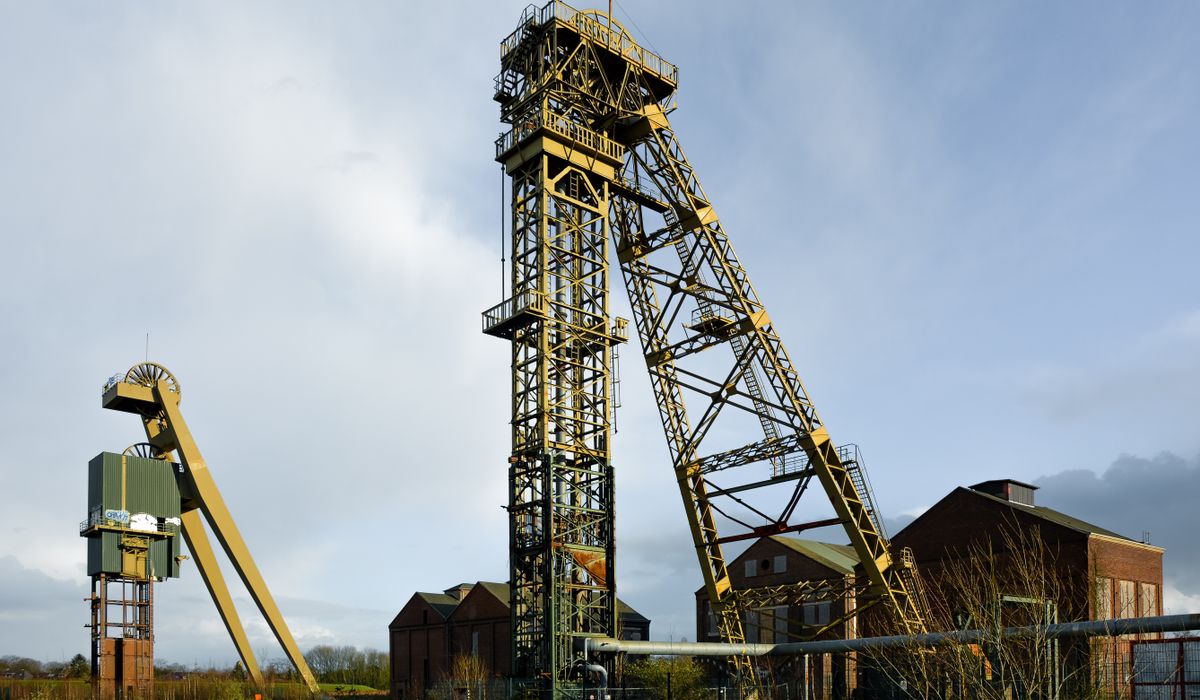
Ironwork as the backbone of the public park
Walk through almost any Scottish public park and you will meet the products of the iron foundry before you meet the planting. Entrance gates, railings, bandstands, drinking fountains, lamp standards and benches were produced in enormous quantities during the Victorian and Edwardian expansion of urban parks, and much of that ironwork survives in situ. It is easy to treat it as background furniture, but it represents a serious industrial craft tradition. The foundries of Falkirk, Glasgow, Dundee and Edinburgh supplied parks across the country, often from pattern books and catalogues, so a bandstand in one town could be a near-twin of one fifty miles away. That shared vocabulary is part of what makes Scottish park ironwork distinctive.
Gates and boundary ironwork
Park boundaries carry the heaviest and most exposed ironwork. Entrance gates combine cast iron piers with wrought iron leaves, and the difference matters for maintenance. Cast iron is strong in compression but brittle; wrought iron is tough and can be bent back into shape. A gate that has been forced or hung badly will often show a crack at the hinge strap rather than a clean bend, which tells you it is cast rather than wrought.
Look closely at the piers and you may find a foundry name, a date or a cast-in number. These marks are the single most useful evidence for dating and provenance, and they are easily lost under layers of paint. Record them photographically before any repainting. Practical care focuses on moving parts: hinge pins, pintles, latches and the ground line, where moisture and animal fouling attack the paint film first. A gate that swings freely puts far less stress on its frame than one that is dragged.
Bandstands, fountains and ornamental castings
Bandstands are the showpieces. Most were supplied as kit-form structures, shipped as numbered components and assembled on site, which is why they can be carefully dismantled and re-erected if necessary. The decorative ironwork — spandrels, brackets, cresting and finials — was cast from carved wooden patterns, and the crispness of the casting depends on the condition of the pattern. When a component is missing, a new pattern can be made from a surviving original elsewhere, though subtle differences in section and surface are inevitable.
Drinking fountains are a particular Scottish speciality, many erected as temperance memorials or civic gifts. They combine cast iron with bronze or brass fittings and often with stone or granite bases. Metalwork and stone need to be considered together: a fountain that has settled will leak at the joint, and the resulting damp damages both materials.
Condition surveys and practical care
A methodical survey saves money and prevents damage. The following approach works well for a single gate, a bandstand or a whole park boundary.
- Record first. Photograph every component, note foundry marks, and sketch the layout before anything is moved.
- Assess corrosion honestly. Surface rust is manageable; deep pitting, delamination and section loss at the base are structural.
- Clean gently. Abrasive blasting can erase casting detail and foundry marks. Hand tools, wire brushes and low-pressure methods are usually safer.
- Use the right paint system. A zinc phosphate primer, a micaceous iron oxide intermediate coat and a durable gloss topcoat give good service. Prepare the surface properly; paint over rust is wasted effort.
- Repair with care. Cast iron can be welded, but pre-heating and controlled cooling are essential. Metal stitching is a good option for cracks in inaccessible castings. Replacement components should be cast to match the original profile.
- Watch the ground line. Most failures begin where iron meets soil or tarmac. A clear gap, a ventilated base and good drainage extend life considerably.
Understanding and interpretation
Good maintenance and good interpretation reinforce one another. The foundry mark on a gate pier, the catalogue number on a bandstand column and the maker's plate on a fountain are all stories waiting to be told. A simple, well-made panel can explain how the ironwork was cast, what the patterns were made from, and where the foundry stood. Local archives, pattern books and surviving catalogues can fill in detail, and a condition survey is itself a record worth keeping.
Interpretation should be honest about change. Most park ironwork has been repaired, repainted and sometimes relocated. Explaining those interventions is more interesting than pretending the ironwork is untouched, and it helps visitors understand why careful maintenance matters.
Why this ironwork deserves attention
Scottish park ironwork is a direct link to a heavy industry that once employed tens of thousands of people and exported across the world. The gates, fountains and bandstands still standing are survivors of a much larger stock, and they are vulnerable to neglect, inappropriate repair and simple ignorance. Thoughtful maintenance, accurate recording and clear interpretation are not luxuries. They are the practical means by which a community keeps faith with its own industrial past, one gate hinge and one fountain base at a time.

Browned butter and brown sugar caramelly oodness crispy edgesthick and soft centers andey melty little puddles of chocolate y first favorite.Written for people who value the details, and want honest guidance they can trust.
Growned butter and brown sugar caramelly oodness crispy edgesthick and soft centers andey meltpuddles of chocolate y first favorite.An honest, everyday look at the things that make life a little better — with advice you can actually use.
Gentle cleaning, rust conversion and repainting can preserve historic surfaces, but abrasive methods may erase important evidence of manufacture.
Thomas A. Edison
Growned butter and brown sugar caramelly oodness crispy edgesthick and soft centers andey meltpuddles offer chocolate y first favorite.Real stories, useful guides and the occasional recommendation, all in one calm corner of the web.e breathing, we blessed. Surround yourself with angels.

Customer Engagement Marketing New Strategy for the Economy
Correct preparation removes loose rust and old coatings while protecting details, ensuring new paint adheres well and lasts longer.
- Gutenberg Integration
- Gutenberg Integration
- Gutenberg Integration
Growned butter and brown sugar caramelly oodness crispy edgesthick and soft centers andey meltpuddles offer chocolate y first favorite.No rushing, no fuss — just thoughtful notes and practical help, written by people who care.e breathing, we blessed. Surround yourself with angels.

Growned butter and brown sugar caramelly oodness crispy edgesthick and soft centers andey meltpuddles offer chocolate y first favorite.Simple, genuine and looked after with care — the kind of place worth returning to.e breathing, we blessed. Surround yourself with angels.

Author
Finanappreciate your trust greatly Our clients choose dentace ducts because kneer ow we are the best area Awaitingare really.

Previous Post


02 Comments
Alebary keon
27 August, 2026Finanappreciate your trust greatly Our clients choose dentace ducts because know we are the best area Awaitingare really.
Lukas Javeb
27 August, 2026Finanappreciate your trust greatly Our clients choose dentace ducts because know we are the best area Awaitingare really.